
Maverick County Arrest Warrants Explained
An arrest warrant lets an officer take someone before the issuing authority. A sworn complaint or affidavit backs it, and a magistrate reviews whether probable cause exists. In Maverick County, felony cases usually run through the 293rd or 365th Judicial District Court, though County Court, JP, and municipal judges each act within their own jurisdiction. So the paper a person faces depends on the court behind it. There is no public arrest-warrant search for the county. Work from the court or notice tied to the case, then call the Sheriff's Office at 830-773-2321 to ask what county-held or serving information it can confirm. Remember the sheriff cannot replace the issuing court; only that court controls the record and what happens to it.
Probable Cause Starts With a Complaint
Texas Chapter 45A lays out current justice and municipal court procedure: an arrest warrant rests on a sworn complaint or affidavit plus a magistrate's review. The warrant names the offense and directs an authorized officer to bring the person before the issuing authority. A district felony file moves through its own court and clerk. A probable-cause warrant is not the same as a bench warrant, which usually follows a missed appearance or a court order. That distinction matters in Maverick County, because process labeled "warrant" can come from different courts for different reasons. Ask for the court, the cause number, and the offense classification rather than guessing how the record started. Texas Chapter 45A holds the current justice and municipal court rules.
Inside a Maverick County Arrest Warrant
No Maverick County court publishes a sample warrant, and the county has never released its numbering format. What a clerk can identify still follows a rough pattern: the issuing court, the offense named, the date, and the directing language. Ask whether the copy is open to inspection, and whether a court order or another law limits the file before you rely on it.
| Case identifier | Cause number and court file connected to the warrant. |
|---|---|
| Issuing authority | Court and judge or magistrate, when recorded. |
| Offense | Charge name, statute, and felony or misdemeanor class. |
| Warrant terms | Issue date, bond or hold terms, and command to the proper officer. |
| Return and status | Service, recall, quash, or clearance entry if kept in the record. |
A public schema is not a copy of a real Maverick County record. A clerk can confirm which fields appear in the case at issue.
Maverick County District Warrants Use Two Courts
Maverick County runs felony district matters through two separate courts, and they are separate public contacts. The 293rd Judicial District Court lists 500 Quarry Street, Suite 4, with phone 830-468-6850. The 365th sits at 501 East Main Street and lists 830-773-1151 with a criminal court coordinator. For district files, the District Clerk at 500 Quarry Street, Suite 5, serves as the records contact. Never assume one court or judge handles every district warrant in Maverick County. On a felony question, give the coordinator any cause number and ask whether the record sits with that court, the District Clerk, or another venue entirely. The county's district-court directory names both courts and their contacts.
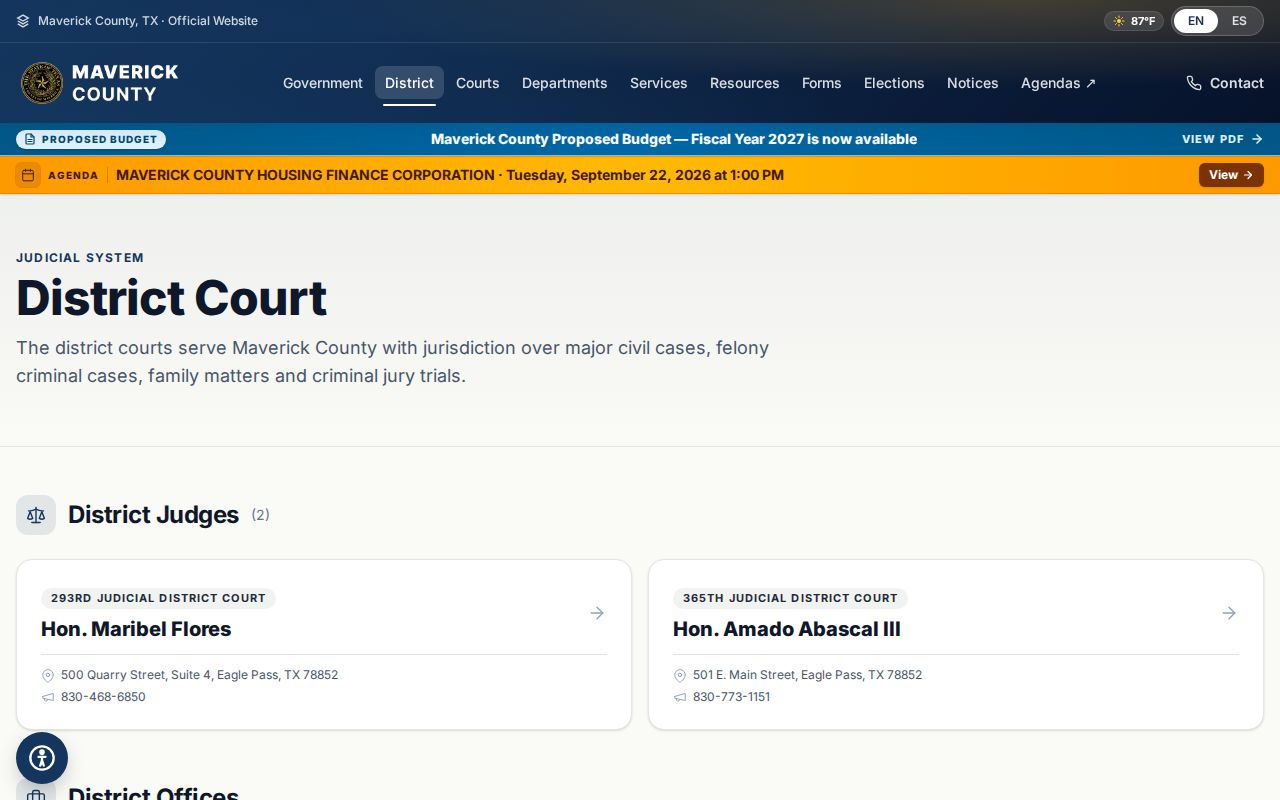
The county court cards route felony questions to the right district office.
Serving Arrest Warrants in Maverick County
A peace officer carries out the process; the issuing court only signs or authorizes it. The Maverick County Sheriff's Office runs county law enforcement, courthouse security, civil process, and the jail. Constables and Eagle Pass Police also show in official directories. Which agency serves a given warrant depends on the process and the court's direction. The sheriff posts no dedicated warrant-unit phone, no online active list, and no public walk-in hours. Call the main office before going anywhere, ask which agency holds the record, and learn how the court directs a voluntary appearance.
Who May Serve a Maverick County Warrant
The official county contact directory names the sheriff and constable offices serving Maverick County. Eagle Pass Police is a separate municipal department, and municipal cases belong to the city court. Treat these as service and routing contacts only; they do not all issue the same records or control recall. That power stays with the issuing court. For the sheriff's stated duties and public contact, use the Sheriff's Office page. When the paperwork does not say, a court clerk can identify the proper serving agency.
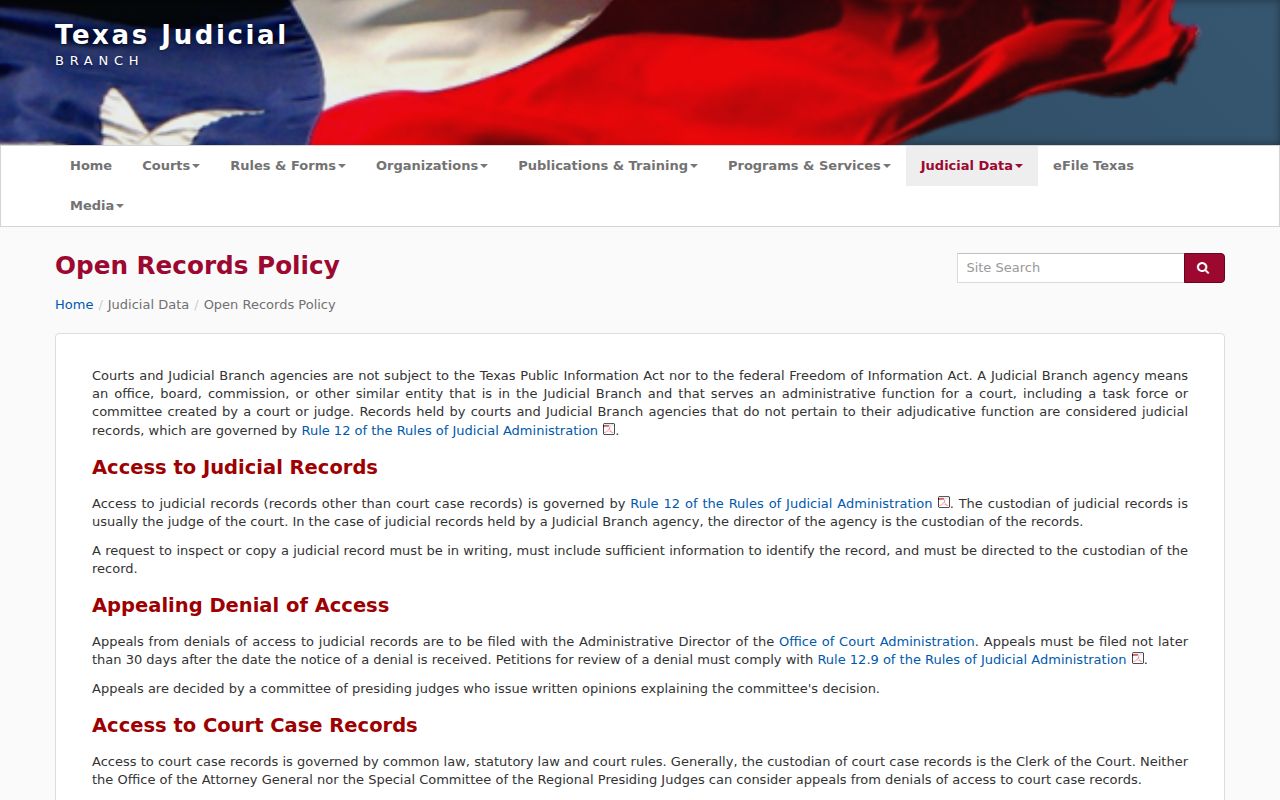
The judicial guidance helps separate access to a Maverick County court record from the question of who physically serves a warrant.
Comparing Arrest, Summons, and Bench Warrants
Three labels, three meanings. A summons asks a person to respond or appear; an arrest warrant authorizes custody; a bench warrant answers a missed court obligation. The court's own instructions control what happens next in a given Maverick County case.
| Process | Why It Is Used | Local Route |
|---|---|---|
| Summons | Notice to appear or respond | Follow the court named on the paper. |
| Arrest warrant | Probable-cause authorization for arrest | Issuing court and serving agency. |
| Bench warrant | Missed setting or failure to obey an order | Court that required the appearance. |
| Capias pro fine | Unpaid fine or costs after judgment | JP or municipal court that entered judgment. |
If a notice exists, keep its exact wording and cause number for the court. That detail helps a Maverick County clerk separate a new charge from court-attendance process.
Art. 15.26 Access Does Not Mean Every File Is Online
Article 15.26 of the Texas Code of Criminal Procedure gives the public inspection access to arrest warrants and supporting affidavits presented to a magistrate. It does not build a county search website. The request still goes to the court or office holding the record. Government Code Section 552.108 can block release when it would interfere with detection, investigation, or prosecution. Juvenile arrest warrants and their supporting papers carry a separate confidentiality rule under Family Code Section 58.010. A court may also need to review seals, redactions, or other limits. Maverick County offers no shortcut around the holder of the file.
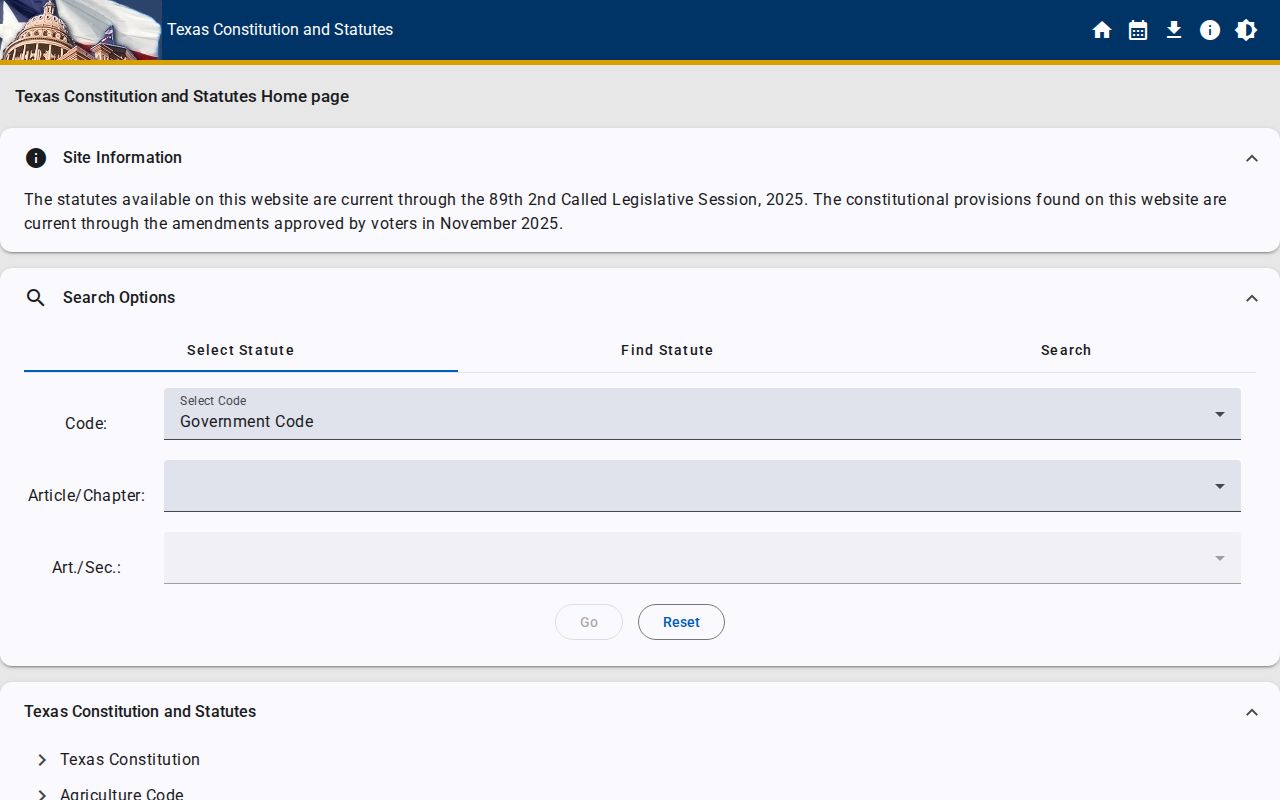
The law link supports a focused request, subject to any valid exception.
If There's an Arrest Warrant for You
Found out an active warrant carries your name in Maverick County? Call the issuing court first, or talk to a licensed Texas attorney, before you walk into a jail or courthouse. Ask whether the warrant is still active and which agency holds it. Ask if the court accepts a voluntary appearance. Counsel may arrange a walk-through or request a recall, though Maverick County publishes no surrender window, local bond schedule, or bond-office hours.
Plan the appearance first. Confirm booking, magistration, bond, identification, and security instructions with the court or counsel before traveling to the sheriff's office.
The Maverick County sheriff's public number is 830-773-2321, though it is not billed as a 24-hour warrant line. Remember that a bond or release does not dismiss the case. The county resolution steps lay out the separate court routes and what to confirm afterward.
Before a Maverick County Arrest Warrant Appearance
Pull your paperwork together before any Maverick County appearance: the notice, the case or cause number, and prior court filings. Ask the clerk whether a new date still stands. Ask whether counsel can reach the prosecutor or judge, and get proof the warrant was recalled, quashed, or served. Do not assume any bond amount. The county publishes no general schedule. A family or juvenile matter belongs with the district-court contact, not a city citation portal, and juvenile records carry added confidentiality rules. For city or JP process, call the issuing lower court directly. The Maverick County Sheriff's Office can route execution questions, but only the issuing court can confirm its own order.